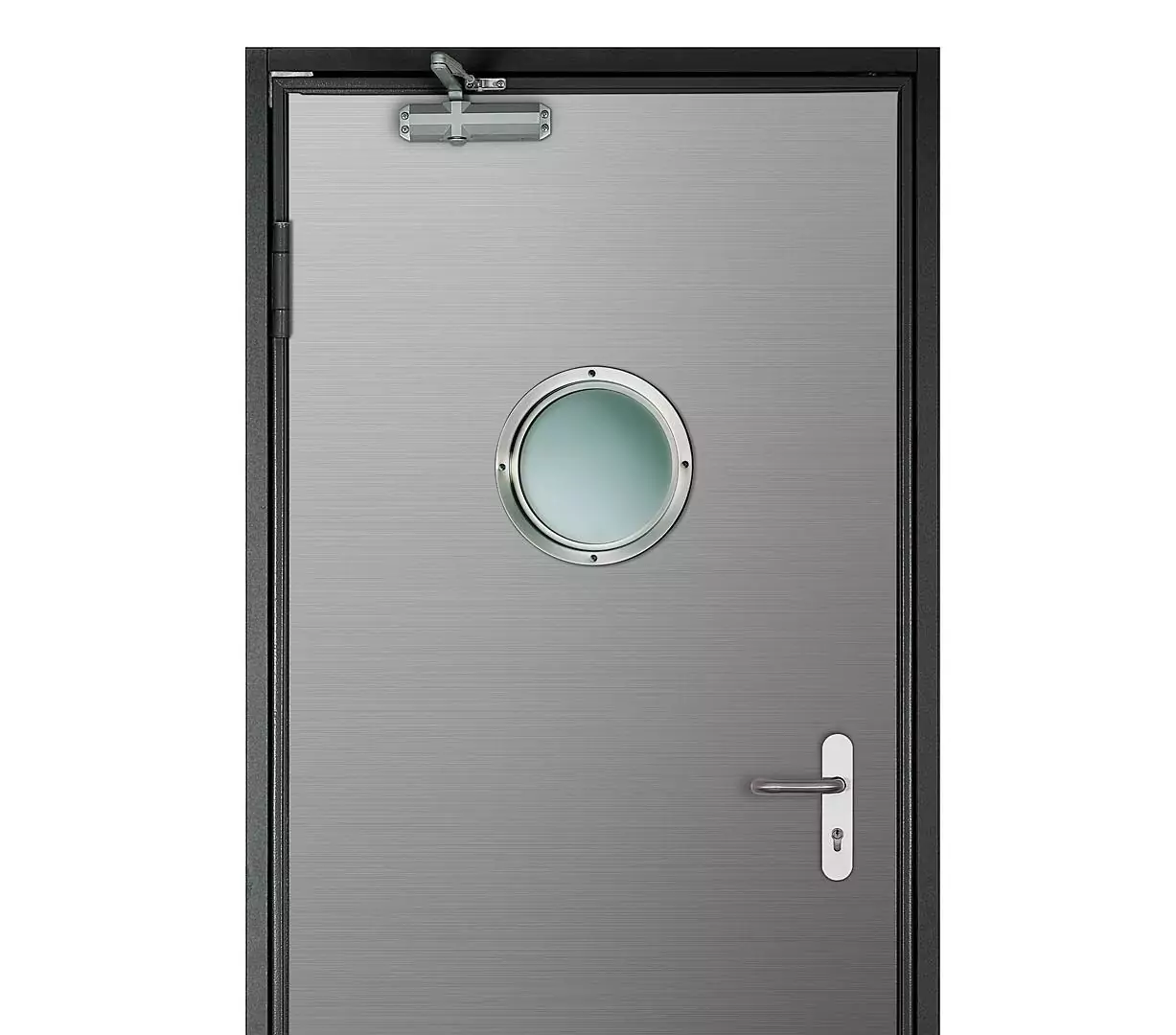
The installation of fire doors is an essential process for ensuring fire safety in any type of building. These doors are designed to contain the spread of fire and smoke, protecting both people and property. In this detailed guide, we’ll explore, step by step, how to install these doors in compliance with current regulations.
Materials and Tools Needed
Main Materials
- Certified fire door.
- Steel or treated wood frames.
- Intumescent joints.
- Fire-resistant sealant.
Required Tools
- Electric drill.
- Spirit level.
- Anchor screws.
- Adjustable wrench and screwdrivers.
- Spatula for applying the sealant.
Steps to Take Before Installation
1. Space Assessment
Before proceeding with the installation, it is crucial to measure the dimensions of the opening where the door will be installed. Make sure the measurements are accurate to avoid problems during installation.
2. Verification of the framework
The frame must be properly aligned and leveled. Any deviation could affect the performance of the fire door.
3. Choosing the Right Door
Choose a door with the appropriate fire resistance rating for the building’s specific needs, such as EI30, EI60, or EI120.
Fire Door Installation Process
1. Preparing the Frame
- Clean the opening where the door will be installed to remove any dust or dirt.
- Apply intumescent gaskets to the frame to ensure an optimal seal.
2. Installing the door
- Insert the door into the frame, making sure it fits perfectly.
- Use the level to check that the door is aligned.
3. Securing the Door
- Use anchor screws to secure the door to the frame.
- Make sure the door opens and closes smoothly.
4. Applying sealant
- Apply a fire-resistant sealant to the edges of the frame.
- Make sure there are no gaps through which smoke or flames could seep.
5. Final Exams
- Open and close the door several times to check that it is working properly.
- Check to make sure the automatic locking mechanism is working properly.
Common Installation Mistakes and How to Avoid Them
1. Use of uncertified materials
It is essential to use only materials that comply with regulations. Non-certified materials can compromise safety.
2. Incorrect installation of the frame
A frame that is not level can affect the door’s functionality. Be sure to measure and level it carefully.
3. Lack of follow-up maintenance
Installation alone is not enough; fire doors require periodic inspections to ensure their effectiveness.
Maintenance and Recertification
Periodic Inspections
It is recommended that annual inspections be conducted to verify that the doors are functioning properly and that the intumescent gaskets are not worn.
Recertification
Many regulations require that fire doors be recertified at regular intervals, generally every 3 to 5 years.
Benefits of Properly Installed Fire Doors
- Greater safety: They protect the building’s occupants in the event of a fire.
- Regulatory Compliance: They avoid legal penalties for noncompliance with regulations.
- Protection of property: They reduce fire damage.
Conclusion
The proper installation of fire doors is an essential step in ensuring fire safety in any type of building. By following this guide, you can avoid common mistakes and ensure compliance with current regulations. Remember that proper installation not only protects lives but also preserves the integrity of the building.