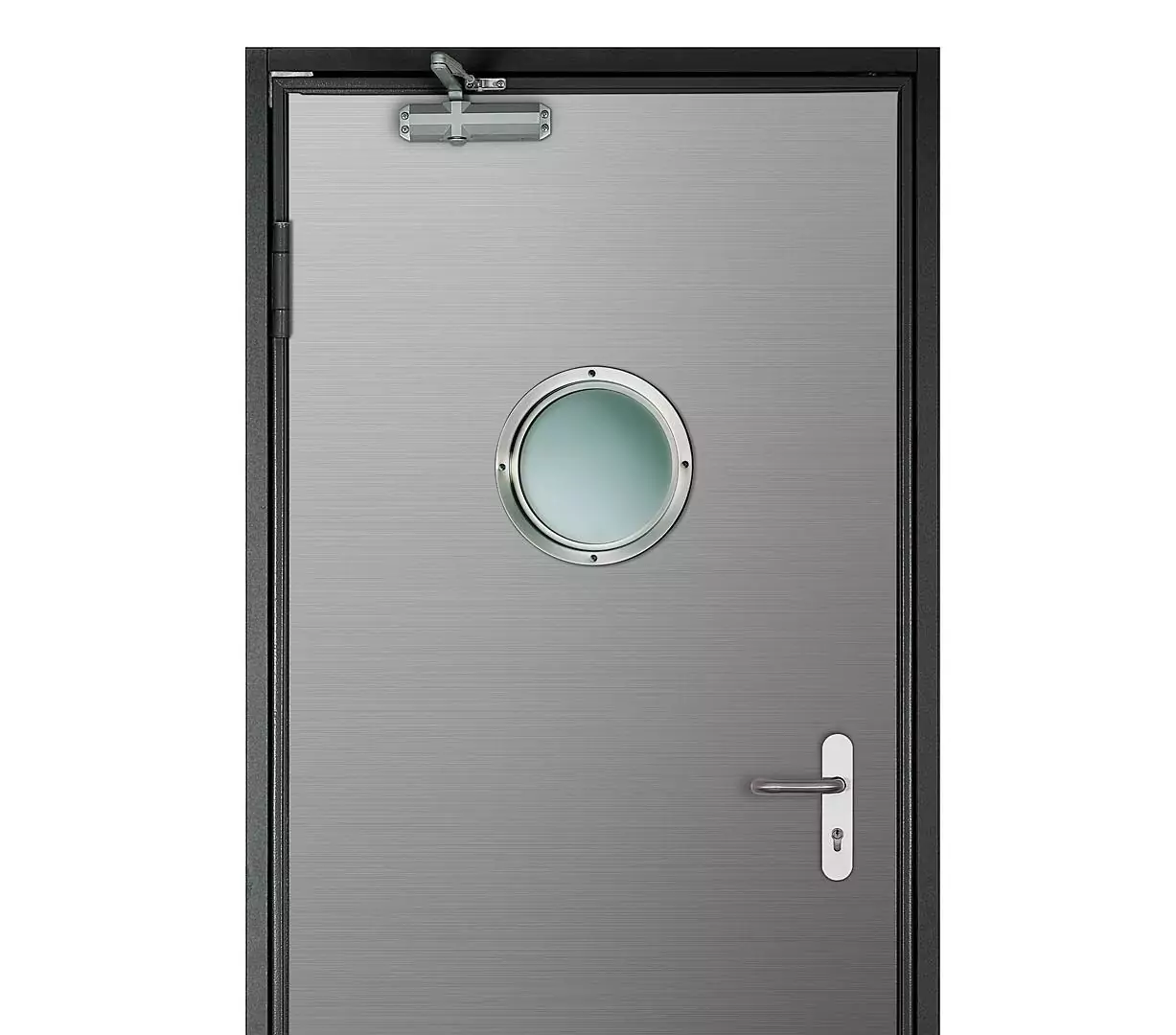
Fire safety in buildings is a fundamental aspect that cannot be left to chance, and fire doors are critical components in protecting lives and property. An appropriate inspection protocol for these doors not only complies with current regulations but also ensures their proper functioning in emergency situations.
Regular maintenance and inspection of fire doors require a thorough understanding of established procedures and standards. From verifying automatic closing systems to checking seals and gaskets, every aspect of the inspection must be carried out meticulously and professionally, following a structured checklist to ensure that no component is overlooked.
In this comprehensive guide, we will cover the fundamental aspects of the fire door inspection protocol, including applicable regulations, the essential steps for an effective inspection, the recommended frequency of inspections, and the certification requirements necessary to ensure maximum safety in our buildings.
The Importance of Fire Door Maintenance and Inspection
The maintenance and inspection of fire doors are among the cornerstones of fire safety in any building. These specially designed doors serve as critical barriers that can mean the difference between life and death during a fire, containing the fire and smoke within specific areas to allow for a safe evacuation.
The importance of keeping these doors in top condition is reflected in several critical aspects:
• They ensure effective fire compartmentalization
• They facilitate the safe evacuation of occupants
• They protect escape routes during emergencies
• They comply with current legal regulations
A proper fire door inspection protocol not only ensures regulatory compliance but also extends the service life of these crucial safety components. Regular inspections help identify potential problems before they become critical failures, such as deterioration of intumescent gaskets, issues with closing mechanisms, or damage to door frames that could compromise their primary function.
Neglecting the maintenance of these systems can have devastating consequences, ranging from administrative penalties to criminal liability in the event of an incident. Therefore, establishing a systematic inspection routine is not only a legal obligation but also a moral responsibility to ensure the safety of all building occupants.
Protocol and Regulations for Inspecting Fire Doors
The protocol and regulations for inspecting fire doors are governed by strict international and national standards that ensure their effectiveness and safety. The Spanish standard UNE-EN 1634-1 establishes specific requirements for fire resistance, while the Technical Building Code (CTE) sets forth the technical characteristics and mandatory maintenance procedures.
The main regulatory provisions governing the inspection of fire doors include:
• Royal Decree 513/2017: Defines the frequency and scope of inspections
• UNE 23740-1: Sets forth the installation and maintenance requirements
• EN 1634-1: Specifies test methods for fire resistance
• ISO 3008: Defines the criteria for classification and approval
Compliance with these regulations requires that inspections be performed by qualified and certified technical personnel. The documentation and records for each inspection must be kept up to date, including detailed reports on the condition of components, corrective actions taken, and recommendations for future maintenance. This documentation is not only a legal requirement but also serves as evidence of regulatory compliance in the event of audits or incidents.
Strict implementation of these protocols ensures that fire doors maintain their integrity and functionality, thereby guaranteeing the safety of the building’s occupants and compliance with established legal requirements.
Essential Steps for Inspecting Fire Doors
The steps for inspecting fire doors require a systematic and meticulous approach to ensure their proper functioning in emergency situations. The inspection should begin with a thorough visual assessment of all components, verifying the structural integrity of the door, the frame, and the sealing elements, paying special attention to any possible deformations, cracks, or signs of deterioration.
A crucial aspect of inspecting fire doors is checking the moving and mechanical parts. This includes verifying that the hinges operate smoothly and without obstruction, that the automatic closing mechanism functions properly, and that the latch is effective. Intumescent gaskets, which expand when exposed to heat to completely seal the door during a fire, must be thoroughly examined to ensure their integrity and proper adhesion.
The main checkpoints during the review include:
• Verification of the frame’s strength and stability
• Checking the automatic locking system
• Inspection of intumescent gaskets
• Smoke-tightness test
• Checking the operation of the hardware
• Review of regulatory signage and labeling
Detailed documentation of each aspect inspected is essential for maintaining an accurate record of fire door maintenance. Any anomalies detected must be recorded and corrected immediately, as even minor defects can significantly compromise the door’s ability to contain fire and smoke in the event of an emergency.
Fire Door Checklist and Inspection Frequency
The frequency of fire door inspections must be established according to a strict schedule that ensures their optimal operation. Inspections are categorized into different levels based on their frequency and scope, ranging from basic daily checks to comprehensive annual evaluations conducted by certified professionals.
The fire door inspection checklist should include a series of essential checks to ensure that the doors are functioning properly:
• Daily visual inspection for obvious damage
• Weekly check of the automatic lock
• Monthly inspection of hardware and moving parts
• Quarterly inspection of gaskets and seals
• Semiannual assessment of structural strength
• Comprehensive annual inspection by specialized technicians
Daily inspections can be performed by the building’s maintenance staff, while more thorough inspections require the involvement of specialized technicians. It is crucial to maintain a detailed record of all inspections performed, documenting the date, scope of the inspection, findings, and corrective actions taken. This record not only complies with regulatory requirements but also provides a valuable history for tracking performance and planning preventive maintenance.
Implementing a digital tracking system can streamline the management of these inspections, allowing inspections to be scheduled automatically and alerts to be generated as maintenance dates approach. This systematic approach ensures that no inspection is overlooked, maintaining the integrity and effectiveness of these critical fire safety components.
Certification and Safety During Fire Door Inspections
Certification for fire door inspections requires that the technicians conducting the inspections hold specific accreditations issued by authorized agencies. These professionals must keep their certifications and knowledge of the latest regulations and inspection techniques up to date, thereby ensuring the highest quality in every inspection performed.
During inspections, it is essential to implement rigorous safety measures that protect both technicians and building occupants. Inspectors must use appropriate personal protective equipment and follow specific protocols, including:
• Clear signage in the work area
• Use of required PPE
• Certified and calibrated tools
• Lockout and tagout procedures
• Communication protocols with building staff
The documentation generated during the inspection of fire doors must be comprehensive and accurate, including official certificates that validate the condition and operation of each door inspected. These documents are essential for demonstrating regulatory compliance to the relevant authorities and insurance companies, and they also serve as legal support in the event of an incident.
Final reports must be filed in accordance with specific document management protocols, ensuring their traceability and easy access for future reference. This documentation also serves as the basis for planning preventive maintenance and justifying investments in safety improvements.