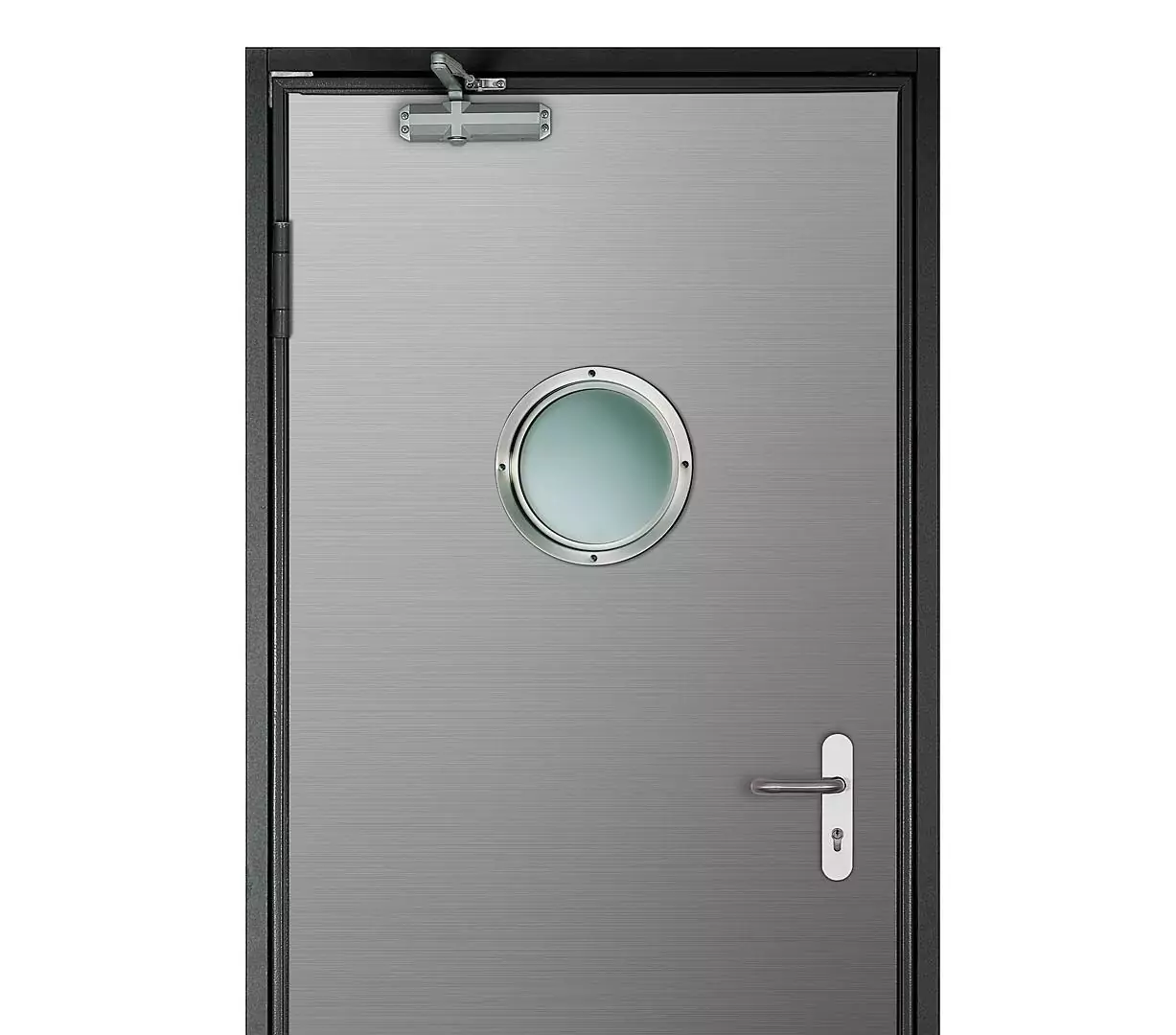
Fire safety in modern buildings has evolved significantly thanks to advancements in fire door technology, which represents a fundamental step forward in protecting lives and property. These systems incorporate state-of-the-art components that ensure an immediate response to emergencies, complying with the strictest international standards for automatic fire doors currently in effect.
The combination of sensors in fire doors and automatic closing systems has revolutionized the way we protect our spaces. These innovations not only provide an effective barrier against fire and smoke but also ensure smooth and reliable operation in everyday use. Their sophisticated design incorporates multiple layers of safety features that ensure they function even under the most adverse conditions.
Understanding the importance of these systems—from installation to maintenance—is crucial to ensuring their optimal performance and longevity. Innovation in fire doors continues to evolve, bringing significant improvements in terms of efficiency, durability, and ease of use, and setting new standards for fire safety in modern buildings.
Innovative Technology in Automatic Doors
Fire door technology has undergone significant advancements in recent years, incorporating smart systems that maximize safety and efficiency in buildings. The most notable advances include the integration of sensors into fire doors that detect not only smoke and heat but also the presence of people, ensuring an immediate response to emergencies while preventing accidents.
Automatic closing systems for fire doors now incorporate microprocessors that adjust the closing speed and force based on environmental conditions. This technology enables smoother and more precise operation, which is crucial in situations where every second counts. In addition, modern doors include self-diagnostic systems that constantly monitor their operational status and alert users to any anomalies.
The latest innovation in this field is IoT connectivity, which enables integration with central building management systems. Automatic fire doors can now communicate with other safety systems, such as alarm and ventilation systems, creating a coordinated emergency response network. These doors also log data on their use and performance, enabling more efficient predictive maintenance and ensuring they function optimally when needed most.
Safety Measures for Automatic Fire Doors
The safety of automatic fire doors is based on multiple layers of protection designed to ensure an effective response in emergency situations. These doors incorporate redundant activation systems that include smoke detectors, heat sensors, and pressure-activated devices, ensuring that the door responds even if one of the systems fails.
A crucial aspect of safety is compliance with regulations governing automatic fire doors, which establish specific requirements for their fire resistance, typically ranging from 60 to 120 minutes. The materials used in their construction, such as reinforced steel and intumescent seals, expand when exposed to heat to create an airtight barrier that prevents the passage of smoke and flames.
Safety measures include:
• backup power systems that ensure continued operation during power outages
• manual release mechanisms for emergency situations
• visual and audible indicators that alert you to the door’s status
• Sensitive edges that stop the closure when they detect obstacles
Integration with central alarm systems enables a coordinated response to emergencies, while regular maintenance protocols ensure that these security measures remain fully operational and reliable at all times. The combination of these measures creates a robust system that effectively protects lives and property.
How Automatic Fire Doors Work
Automatic fire doors operate using a sophisticated system that combines mechanical and electronic components to provide an immediate response in emergencies. At the heart of the system is a central control unit that constantly processes information received from multiple strategically placed sensors, including smoke, temperature, and motion detectors.
When sensors on fire doors detect a threat, the system automatically activates the closing mechanism. This process is carried out by electrohydraulic or electropneumatic actuators that control the speed and force of the closure, ensuring that the door seals completely without causing harm to people who may be nearby. The system also includes a manual release mechanism that allows the door to be operated in the event of a power failure.
The main components of the system include:
- Central Control Unit with a Microprocessor
- Early-Detection Sensor Network
- Automatic-Closing Actuators
- Uninterruptible Power Supply
- Emergency release mechanisms
The technology built into these doors allows for seamless integration with the building’s overall security systems, creating a coordinated network of protection. Automatic closing systems in fire doors are designed to remain functional even under extreme conditions, providing an effective barrier against fire and smoke when it is needed most.
Benefits and Advantages of Automatic Fire Doors
The advantages of automatic fire doors represent a significant advance in fire safety in modern buildings. These systems offer superior protection thanks to their ability to respond automatically, eliminating the possibility of human error and ensuring an immediate response to emergencies. The integration of advanced technology enables effective fire compartmentalization, which is crucial for preventing the spread of fire and protecting lives.
Among the most notable benefits are:
- Faster response to emergencies
- Significant reduction in risks to occupants
- 24-hour continuous protection
- Integration with central security systems
- Automatic Compliance with Safety Regulations
Automating these doors not only improves security but also optimizes building management. Their ability to maintain detailed operational records facilitates preventive maintenance, reducing long-term costs and extending the system’s service life. In addition, remote monitoring allows for constant oversight of the doors’ status, ensuring they operate optimally at all times and providing peace of mind to owners and occupants.
The installation of these doors also significantly adds to the property’s value, as it demonstrates a serious commitment to security and can result in lower insurance premiums. Their modern design and quiet operation make them ideal for all types of buildings, from hospitals and hotels to shopping centers and office buildings, where security must be balanced with practicality and aesthetics.
Installation and Maintenance
The installation of automatic fire doors requires a meticulous process that must be performed exclusively by certified professionals to ensure proper operation and compliance with regulations. The process begins with a detailed assessment of the space and the building’s specific needs, followed by the structural preparations necessary to support the door’s weight and meet its technical specifications.
Maintenance of automatic fire doors is essential to ensure their optimal operation in emergency situations. It is recommended to establish a preventive maintenance schedule that includes periodic inspections of all critical components. These inspections should include checking sensors, locking systems, electrical connections, and mechanical components, as well as inspecting seals and gaskets that ensure smoke and fire tightness.
Essential maintenance tasks include:
- Monthly inspection of sensors and detection systems
- Quarterly Automatic Operation Tests
- Semiannual inspection of mechanical components
- Annual Lubrication of Moving Parts
- Periodic Calibration of Electronic Systems
It is crucial to document all maintenance and repair work, creating a detailed record that makes it easier to monitor the door’s performance and ensure compliance with current regulations. The combination of professional installation and rigorous maintenance ensures that fire doors maintain their effectiveness and reliability throughout their service life, providing the necessary protection when it is needed most.