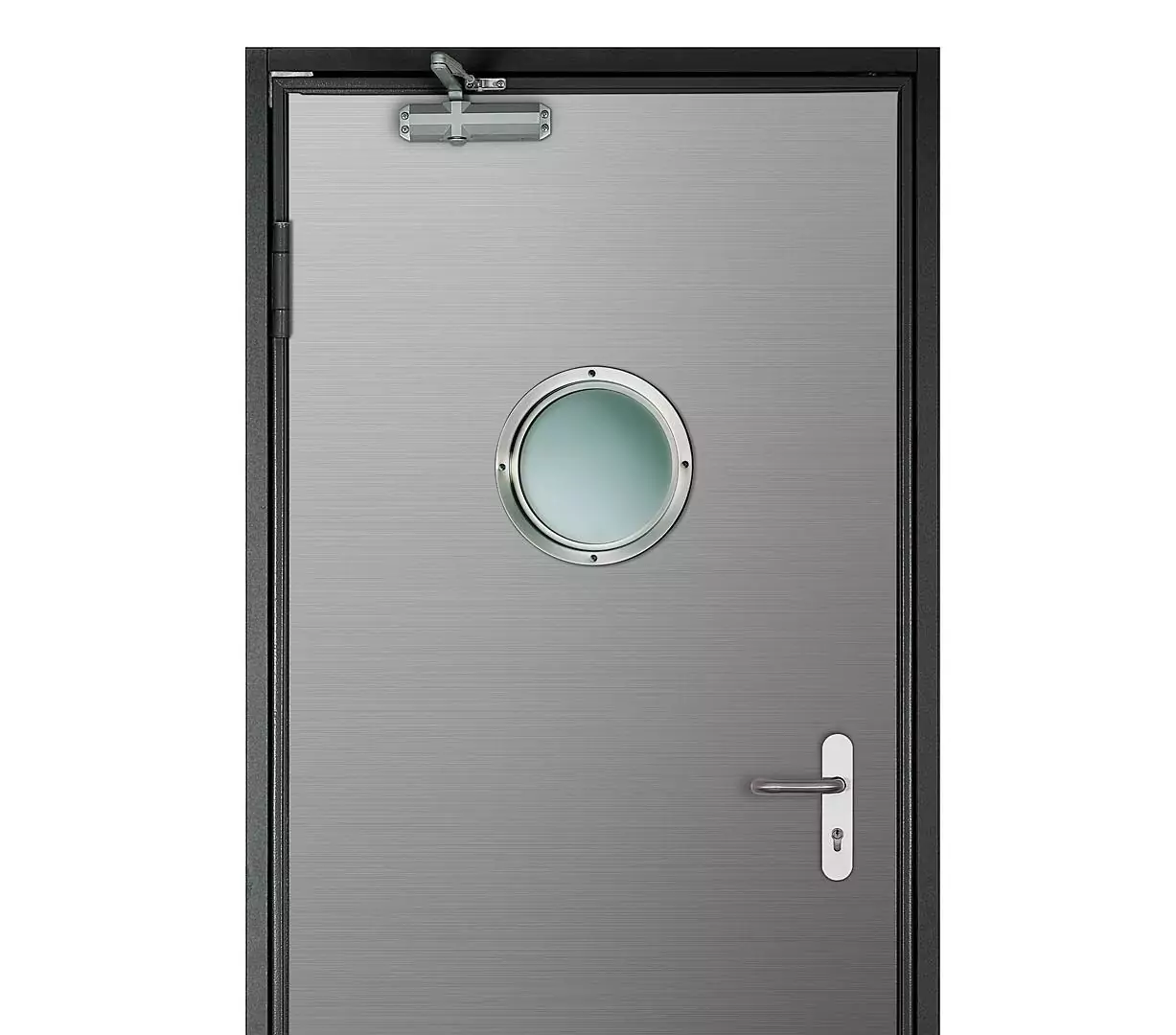
Fire Door Maintenance | Key Points and Regulations
Discover the keys to effective fire door maintenance and ensure their proper operation and compliance with regulations.
Tips for Effective Fire Door Maintenance
The maintenance of fire doors is essential to ensuring their proper operation in the event of a fire. These fire doors are designed to save lives and protect property, but they only fulfill their purpose if they are maintained in optimal condition. Poor maintenance can render a certified metal fire door ineffective, compromising the safety of the building and its occupants.
Why is fire door maintenance important?
Safety Guarantee
Fire doors are part of passive fire protection. Maintaining them ensures that they function properly to contain fire and smoke for their certified resistance time.
Regulatory Compliance
Current regulations require that fire doors be kept in perfect condition. It is not enough simply to install them; they must be inspected periodically to comply with the Technical Building Code and other applicable regulations.
Extending the service life
Regular maintenance extends the service life of metal fire doors, reducing replacement costs and preventing premature breakdowns.
Key Components of a Fire Door to Maintain
To ensure the effectiveness of fire doors, it is essential to inspect the following components:
Intumescent seals
These gaskets expand when heated and prevent smoke and flames from passing through. They should be inspected periodically for wear or damage.
Hardware and Hinges
Hinges, locks, and mechanisms must be in good condition and properly lubricated to ensure effective closure.
Automatic Locking Systems
A door closer is required in most facilities. Any malfunction in this system compromises the door’s function.
Door Surface and Structure
It is important to check that the sheet has no dents, warping, or damage that could affect its fire resistance.
Recommended Frequency for Fire Door Maintenance
An effective maintenance plan should include:
- Monthly inspections: visual inspections and closure checks
- Semiannual inspections: inspection of hardware, door closers, and seals
- Annual inspections: comprehensive inspection performed by specialized personnel
This maintenance schedule ensures that certified fire doors maintain their original performance characteristics.
Steps for Effective Maintenance
Proper maintenance of metal fire doors must follow a clear methodology:
- Initial Visual Inspection
- Check for visible damage
- Check that the door is not locked
- Functional Tests
- Repeated opening and closing
- Checking the Automatic Lock
- Replacement of Damaged Components
- Intumescent seals
- Defective hardware or mechanisms
- Cleaning and Lubrication
- Use of non-abrasive products
- Lubrication of Moving Parts
Common Mistakes in Fire Door Maintenance
Some of the most common mistakes that compromise security are:
- Ignore minor visible damage
- Failure to perform periodic inspections
- Using uncertified parts or materials
- Operating the door without following the manufacturer’s instructions
These defects can render a fire door ineffective in a real emergency situation.
Professional Maintenance vs. In-House Maintenance
Professional Maintenance
Having specialized technicians ensures:
- Regulatory Compliance
- Detection of Hidden Faults
- Documentary Record of Reviews
In-house maintenance
It can be used for basic inspections, but it does not replace mandatory technical inspections.
Commitment to Safety and Quality
At Asturmadi Doors, we always recommend combining certified fire doors with a regular maintenance plan to ensure they function properly throughout their entire service life.
Fire safety depends not only on the product itself, but also on its long-term maintenance.
If you need advice on fire door maintenance or want to ensure that your facilities comply with current regulations, please contact our technical team.