Home fire safety has become a top priority for homeowners and builders, with fire doors being one of the most critical elements in protecting lives and property. These specialized barriers are not merely decorative elements, but essential components that can mean the difference between life and death during a fire.
Installing fire doors in homes is an investment in peace of mind and safety that goes beyond simply complying with basic regulations. In a world where incidents related to house fires remain a constant concern, understanding the different types of fire-rated doors for the home, their benefits, and the regulations that govern them is crucial for every responsible family.
Knowledge of home fire protection encompasses not only the proper selection of these safety devices, but also their correct installation and maintenance. The difference between an effective fire door and one that fails to fulfill its purpose can be critical in emergency situations, which is why it is essential to be well-informed about all aspects related to these protection systems.
The Importance of Fire Safety at Home
Home fire safety is a top priority that should not be underestimated in any modern home. Every year, thousands of fire-related incidents put lives and property at risk, underscoring the critical importance of implementing effective preventive measures.
The statistics are alarming: more than 80% of fire-related deaths occur in residential settings, mainly at night when residents are asleep. Home fire safety involves more than just installing smoke detectors and fire extinguishers; it requires a comprehensive approach that includes effective physical barriers to prevent the spread of fire.
Safety experts identify three critical elements for home fire protection:
• Early-detection systems
• Accessible fire extinguishers
• Physical containment barriers
Implementing these safety measures not only protects residents and their belongings, but can also have a positive impact on home insurance costs and, most importantly, provide the peace of mind needed to fully enjoy our living space. Investing in fire safety should be viewed as a top priority in the planning and maintenance of any home.
Types of Fire Doors for the Home
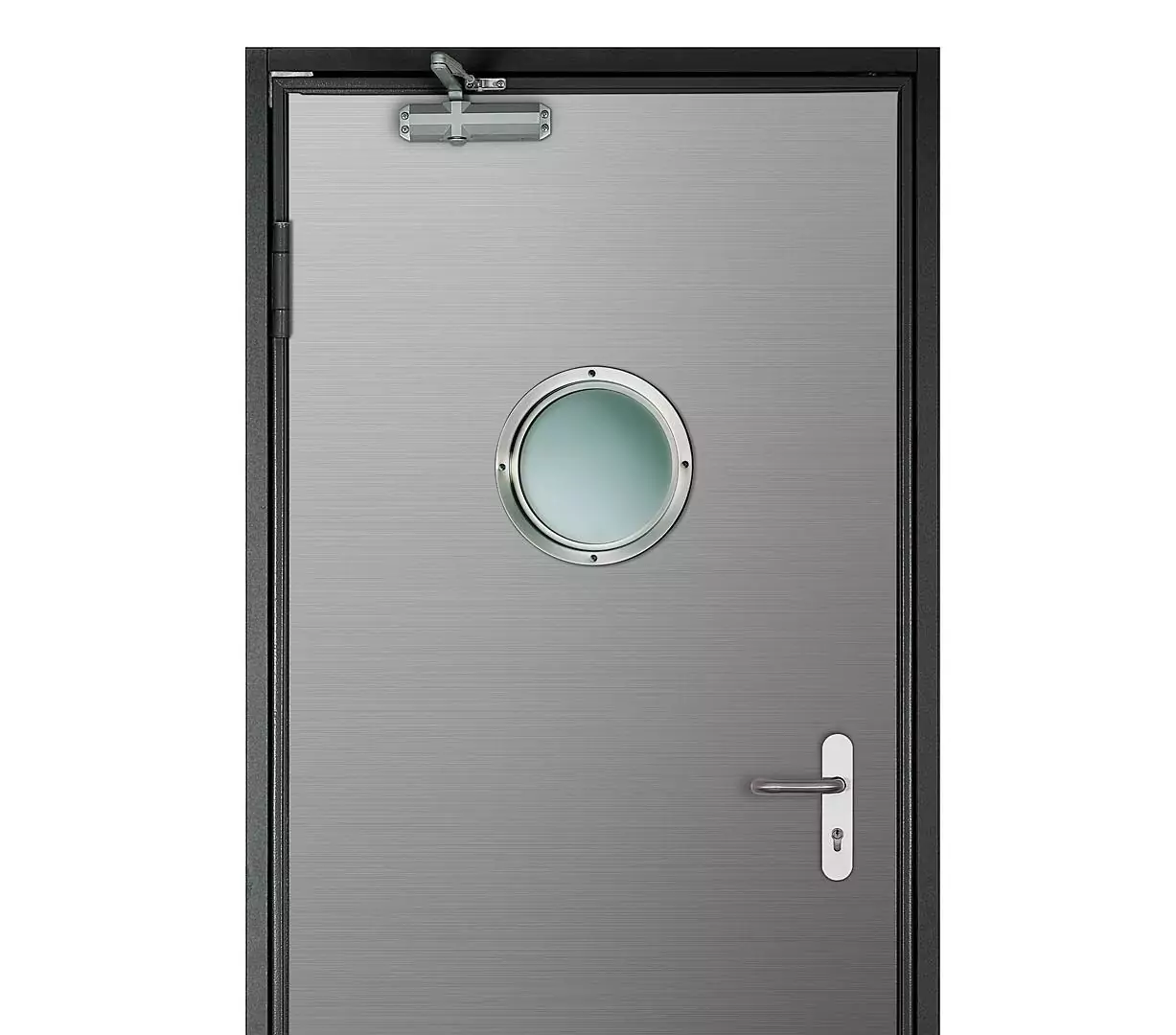
Residential fire doors are classified primarily based on their fire resistance rating and the materials used in their construction. The most common types are metal doors with an insulating core, made of galvanized steel and filled with materials such as mineral wool or vermiculite, which can withstand extreme temperatures for periods ranging from 30 to 120 minutes.
In the residential market, there are three main categories of fire-rated doors: RF-30, which offer basic 30-minute protection ideal for low-risk areas; RF-60, which provide one hour of resistance and are the most commonly used in single-family homes; and RF-90, which guarantee superior protection for 90 minutes and are recommended for critical areas such as boiler rooms or garages.
Finishes and designs have evolved significantly, allowing these security doors to blend seamlessly with home décor. Today, you can find models that mimic the look of wood, incorporate fire-resistant glass panels, or come in a variety of colors—all without compromising their primary function of providing fire protection for the home.
The key components of a residential fire door include: a reinforced frame with intumescent seals, high-performance hinges, an automatic latch, and special gaskets that expand when heated to completely seal the gap. Each of these components plays a crucial role in the effectiveness of the fire protection system.
Benefits of Residential Fire Doors
The benefits of residential fire doors go beyond simple fire protection; they represent a comprehensive investment in home safety. Installing these specialized doors provides a critical barrier that can contain a fire during crucial moments, allowing occupants to evacuate safely and significantly minimizing property damage.
Among the most notable advantages of installing fire doors in homes are:
• Effective fire and smoke containment
• Significant reduction in the spread of toxic gases
• Potential reduction in home insurance premiums
• Higher resale value of the property
• Compliance with current safety regulations
The exceptional durability of these protection systems represents another substantial benefit for homeowners. Fire doors are designed to maintain their structural and functional integrity for decades, requiring minimal maintenance compared to conventional doors. This feature, combined with their ability to improve a home’s energy efficiency thanks to their insulating properties, makes them a cost-effective long-term solution.
The peace of mind that home fire protection provides is invaluable, especially in residential areas where emergency services’ response time can be critical. Fire doors act as a first line of defense, providing that essential window of time that can make the difference between a manageable incident and a tragedy.
Regulations and Efficiency of Fire Doors in Residential Buildings
The regulations and performance of fire doors in residential buildings are governed by strict international standards that ensure their ability to protect lives and property. In Spain, these regulations are primarily governed by the Technical Building Code (CTE) and the UNE-EN 1634 standards, which establish the minimum resistance and classification requirements for residential fire doors.
The main criteria that determine the effectiveness of a fire door are:
• Integrity: the ability to prevent the passage of flames
• Thermal insulation: control of heat transfer
• Smoke-tightness: the ability to contain toxic gases
• Mechanical strength: structural durability under extreme conditions
The effectiveness of fire doors in homes is measured through rigorous laboratory tests that simulate real-world fire conditions. During these evaluations, the doors must maintain their structural and functional integrity while exposed to temperatures that can reach 1,000°C. The results of these tests determine the fire resistance rating, which is typically expressed in minutes (30, 60, or 90).
It is essential to understand that the effectiveness of a fire door depends not only on its manufacture but also on its proper installation and regular maintenance. Homeowners should ensure that both the installation and periodic inspections are performed by certified professionals, thereby ensuring ongoing compliance with current regulations and the highest level of protection for their home.
Tips for Choosing and Installing Fire Doors in Homes
Tips for choosing and installing fire doors in homes require careful consideration to ensure maximum protection. The selection process should begin by assessing the specific needs of each area of the home, taking into account factors such as the level of risk, the location, and the intended use of the space.
Key factors to consider during the selection process include:
• Required fire resistance rating based on the zone
• Dimensions and technical specifications of the space
• Manufacturer certifications and approvals
• Compatibility with existing security systems
• Available budget and maintenance costs
The installation of fire doors in homes must be performed exclusively by certified professionals who ensure compliance with current regulations. A common mistake is trying to cut corners on installation, which can significantly compromise the system’s effectiveness. Qualified installers not only ensure proper installation but also verify crucial aspects such as the integrity of the frame, the correct placement of intumescent seals, and the proper functioning of the automatic closing mechanisms.
To ensure a long-lasting and effective investment, it is essential to obtain all applicable certifications and warranties, as well as to schedule periodic maintenance inspections. Complete documentation of the installation, including technical specifications and certificates of compliance, should be kept as part of the home’s safety records.